
 info@best-filtration.com
 MBR Membrane
 Reverse Osmosis Membrane
 Residential Ro Membrane
 UF Membrane
 Water Treatment Plant
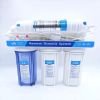 Residential Ro Machine
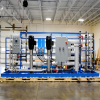 Brackish Ro System
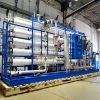 Sea water system/SW RO plant
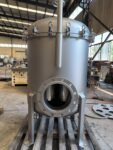 Bag Filter
 Cartridge Filter
 Commercial Water Filtration System
 Membrane Cleaning System(CIP)
 Consumables Accessories


A Practical Guide for Yacht, Fishing Boat, and work-boat Owners
Freshwater is one of the most important resources on any vessel.
However, choosing the correct marine RO desalination unit is not always easy.
Many vessel owners ask:
Should I choose a 5 m³/day, 10 m³/day, or 15 m³/day seawater desalination system?
The answer depends on your actual freshwater demand.
Therefore, before purchasing a marine RO water-maker, you should consider several factors:
- Number of crew members.
- Daily freshwater consumption.
- Daily operating hours.
- Freshwater storage tank capacity.
- Voyage distance.
- Backup water requirements.
A correctly sized RO desalination system can provide stable freshwater supply. Moreover, it can reduce unnecessary investment, save installation space, and lower operating costs.
1. Why Do Vessels Need a Marine RO Desalination System?
For many boats, freshwater supply becomes a challenge during long voyages.
A vessel can only carry a limited amount of freshwater because storage space is valuable.
Therefore, many yachts, fishing boats, and offshore vessels install seawater desalination systems.
A marine RO desalination unit can produce freshwater directly from seawater.
The system uses reverse osmosis technology.
First, seawater enters the pretreatment system.
Then, the high-pressure pump sends water through the RO membrane.
Finally, the membrane removes salt and impurities, producing clean freshwater.
Modern compact marine RO systems are designed for small spaces. Therefore, they are suitable for vessels where installation area is limited.
2. How Much Freshwater Does Your Vessel Need?
The first step is to calculate your daily water demand.
Generally, one crew member may need about 80-150 liters of freshwater per day.
This includes:
- Drinking water.
- Cooking water.
- Shower water.
- Cleaning water.
- Basic onboard use.
However, actual consumption depends on vessel type and crew habits.
Small Fishing Boat or Private Yacht
Typical crew:
5-10 people
Daily freshwater demand:
About 500-1500 liters
Recommended capacity:
5 m³/day marine RO desalination unit
This size is usually enough for small vessels with basic freshwater requirements.
Medium Yacht or work-boat
Typical crew:
10-20 people
Daily freshwater demand:
About 1000-3000 liters
Recommended capacity:
10 m³/day marine RO desalination unit
This capacity is a common choice for many commercial yachts and working boats.
Long-Distance Vessel or Larger Crew Boat
Typical crew:
20 people or more
Possible applications:
- Offshore operation.
- Long fishing trips.
- Extended voyages.
Recommended capacity:
15 m³/day or higher
Therefore, the best capacity is not always the largest one.
The correct choice is the one that matches your real water demand.
3. What Does 5, 10, or 15 m³/Day Really Mean?
This is an important point that many buyers misunderstand.
The rated production capacity of an RO desalination unit is normally based on 24 hours of continuous operation.
For example:
5 m³/day System
Daily production:
5,000 liters/day
Hourly production:
About 208 liters/hour
10 m³/day System
Daily production:
10,000 liters/day
Hourly production:
About 417 liters/hour
15 m³/day System
Daily production:
15,000 liters/day
Hourly production:
About 625 liters/hour
Therefore, a 10 m³/day system does not produce 10 tons of water if it only runs for several hours.
For example:
A 10 m³/day RO unit running for 10 hours:
417 liters/hour × 10 hours
= About 4,170 liters
= About 4.2 tons of freshwater per day
Therefore, vessel owners should consider:
Rated capacity + daily running hours + storage tank size
when selecting a system.
4. How Do Running Hours and Storage Capacity Affect Selection?
A marine RO system does not always need to operate 24 hours a day.
Many vessels produce freshwater during available operating periods and store it in freshwater tanks.
For example:
A boat needs about 4 tons of freshwater every day.
There are several possible solutions.
A 10 m³/day system can run for about 10 hours and produce around 4.2 tons of water.
Meanwhile, a 5 m³/day system can run longer and produce enough water within a full operating day.
Therefore, the final selection depends on:
- Generator capacity.
- Battery system.
- Crew schedule.
- Storage tank volume.
A larger storage tank provides more flexibility.
5. Why Is RO Technology Suitable for Marine Applications?
Reverse osmosis has become one of the most popular technologies for marine freshwater production.
There are several reasons.
High Quality Freshwater
RO membranes remove dissolved salts and impurities from seawater.
As a result, the produced freshwater has very low TDS.
In many applications, the outlet water quality can reach below 500 ppm TDS.
Therefore, RO freshwater can be used for:
- Drinking.
- Cooking.
- Daily crew needs.
- Equipment requiring better water quality.
Low Energy Consumption
Unlike thermal desalination systems, RO does not require heating.
Instead, it uses electricity to drive the high-pressure pump.
Generally, producing one ton of freshwater requires around:
3-6 kWh of electricity
Therefore, compact marine RO systems are suitable for:
- Yachts.
- Small fishing boats.
- Battery-supported vessels.
- Boats with small generators.
Moreover, lower energy consumption helps reduce operating costs.
6. Compact Design Saves Valuable Vessel Space
Space is always limited on boats.
Therefore, compact design is an important requirement for marine equipment.
Modern small RO desalination units are designed with a small footprint.
Some systems can be installed:
- Inside equipment rooms.
- Near engine rooms.
- On suitable wall spaces.
This design provides several advantages:
- Less installation space.
- Easier maintenance.
- Lower modification costs.
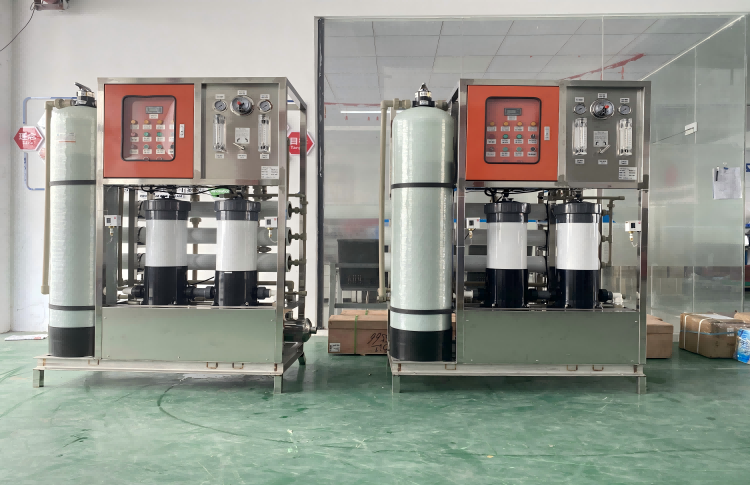
Besta compact marine RO systems are designed for vessels that require reliable freshwater production in limited spaces.
7. Besta Marine RO Desalination System Process
Besta marine RO systems use a proven treatment process:
Seawater → Feeding Pump → Multi Filter → Precision Filter → High Pressure Pump → RO Mainframe → Fresh Water
The main components include:
1. Feeding Pump
The pump sends seawater into the treatment system.
2. Multi Filter
The filter removes larger particles and protects the following equipment.
3. Precision Filter
This step provides further filtration before the RO membrane.
4. High Pressure Pump
The pump provides the pressure required for seawater reverse osmosis.
5. RO Membrane
The membrane removes salt and produces freshwater.
This simple process makes operation easier and maintenance more convenient.
8. Easy Maintenance and Low Operating Cost
Marine equipment must be reliable and easy to maintain.
A compact RO desalination system requires regular but simple maintenance.
The main tasks include:
- Replacing per-filters.
- Checking RO membrane performance.
- Cleaning the system when necessary.
Moreover, the operation process is easy to understand.
After basic training, vessel crew members can operate the system without professional water treatment knowledge.
Therefore, marine RO systems are practical solutions for many small and medium vessels.
9. How to Select the Right Marine RO Capacity?
Before buying a desalination system, follow these steps:
Step 1: Check Crew Size
More crew members usually mean higher freshwater demand.
Step 2: Calculate Daily Water Consumption
Include:
- Drinking.
- Cooking.
- Cleaning.
- Showering.
Step 3: Check Available Running Hours
Shorter running time requires higher production capacity.
Step 4: Check Freshwater Storage Capacity
A larger tank provides more operating flexibility.
Step 5: Check Installation Space
Compact equipment is important for vessels with limited space.
Frequently Asked Questions
How do I choose between a 5 m³/day and 10 m³/day marine RO system?
You should compare your daily freshwater demand, running hours, and storage capacity.
A small boat may use 5 m³/day, while a medium vessel may need 10 m³/day.
Is RO desalinated water safe for drinking?
Yes.
A properly designed RO system can produce high-quality freshwater with low TDS.
Many marine applications require freshwater with TDS below 500 ppm.
How much electricity does a marine RO system use?
Usually, producing one ton of freshwater requires about 3-6 kWh of electricity.
Actual consumption depends on seawater conditions and system design.
Can a small fishing boat install a marine RO system?
Yes.
Compact marine RO units are widely used on fishing boats, yachts, and offshore vessels.
Conclusion: Choose the Right Capacity, Not the Biggest Capacity
Choosing a marine RO desalination unit is about matching the system with your vessel.
A 5 m³/day system is suitable for many small boats.
A 10 m³/day system is a popular choice for medium vessels.
A 15 m³/day system is better for larger crews and longer voyages.
Therefore, before purchasing an RO water-maker, carefully evaluate:
- Crew size.
- Daily water demand.
- Running hours.
- Storage capacity.
- Installation space.
Besta provides compact marine RO desalination solutions for different vessel applications. With the right system design, vessels can achieve reliable freshwater supply, lower operating costs, and greater independence at sea.
