
 info@best-filtration.com
 Membrana MBR
 Membrana de ósmosis inversa
 Membrana RO residencial
 Membrana UF
 Planta de tratamiento de agua
 Máquina residencial RO
 Sistema RO salobre
 Sistema de agua de mar/planta SW ro
 Filtro de bolsa
 Filtro de cartucho
 Sistema de filtración de agua comercial
 Sistema de limpieza de membrana(Titubear)
 Accesorios de consumo


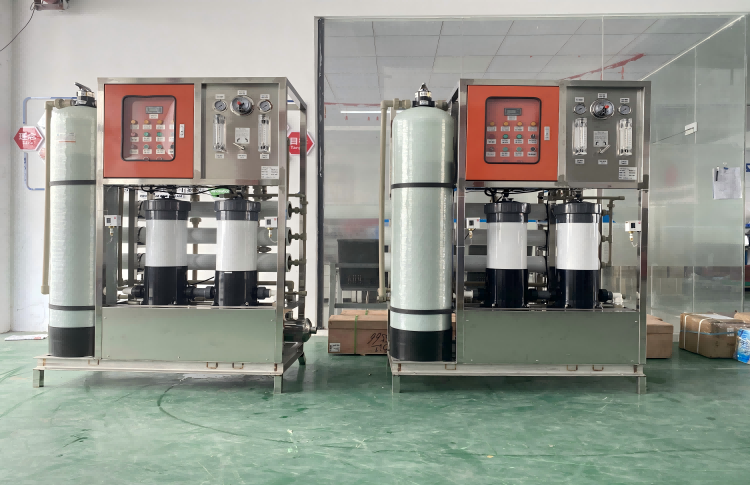
Una guía práctica para yates, Barco de pesca, y propietarios de barcos de trabajo
El agua dulce es uno de los recursos más importantes en cualquier barco..
Sin embargo, eligiendo lo correcto desalinización marina por ósmosis inversa la unidad no siempre es fácil.
Muchos armadores preguntan:
¿Debo elegir un 5 m³/día, 10 m³/día, o 15 m³/día sistema desalador de agua de mar?
La respuesta depende de su demanda real de agua dulce..
Por lo tanto, antes de comprar un potabilizador de RO marino, debes considerar varios factores:
- Número de miembros de la tripulación.
- Consumo diario de agua dulce.
- Horas de funcionamiento diarias.
- Capacidad del tanque de almacenamiento de agua dulce.
- Distancia de viaje.
- Requisitos de agua de respaldo.
Un sistema de desalinización por ósmosis inversa del tamaño correcto puede proporcionar un suministro estable de agua dulce. Además, puede reducir inversiones innecesarias, ahorrar espacio de instalación, y menores costos operativos.
1. ¿Por qué los buques necesitan un Sistema de desalinización marina por RO?
Para muchos barcos, El suministro de agua dulce se convierte en un desafío durante los viajes largos..
Un barco sólo puede transportar una cantidad limitada de agua dulce porque el espacio de almacenamiento es valioso.
Por lo tanto, muchos yates, barcos de pesca, y buques offshore instalan sistemas de desalinización de agua de mar.
Una unidad de desalinización marina por ósmosis inversa puede producir agua dulce directamente a partir de agua de mar.
El sistema utiliza tecnología de ósmosis inversa..
Primero, El agua de mar ingresa al sistema de pretratamiento..
Entonces, la bomba de alta presión envía agua a través de la membrana RO.
Finalmente, la membrana elimina la sal y las impurezas, produciendo agua dulce limpia.
Los modernos sistemas marinos compactos de RO están diseñados para espacios pequeños. Por lo tanto, Son adecuados para embarcaciones donde el área de instalación es limitada..
2. ¿Cuánta agua dulce necesita su embarcación??
El primer paso es calcular tu demanda diaria de agua..
Generalmente, un miembro de la tripulación puede necesitar aproximadamente 80-150 litros de agua dulce por día.
Esto incluye:
- Agua potable.
- Agua de cocción.
- agua de ducha.
- agua de limpieza.
- Uso básico a bordo.
Sin embargo, El consumo real depende del tipo de embarcación y de los hábitos de la tripulación..
Pequeño barco de pesca o yate privado
Tripulación típica:
5-10 gente
Demanda diaria de agua dulce:
Acerca de 500-1500 litros
Capacidad recomendada:
5 m³/día unidad desaladora marina por ósmosis inversa
Este tamaño suele ser suficiente para embarcaciones pequeñas con necesidades básicas de agua dulce..
Yate mediano o barco de trabajo
Tripulación típica:
10-20 gente
Demanda diaria de agua dulce:
Acerca de 1000-3000 litros
Capacidad recomendada:
10 m³/día marino Unidad de desalinización por ósmosis inversa
Esta capacidad es una opción común para muchos yates comerciales y barcos de trabajo..
Embarcación de larga distancia o embarcación de tripulación más grande
Tripulación típica:
20 personas o más
Posibles aplicaciones:
- Operación costa afuera.
- Largos viajes de pesca.
- Viajes prolongados.
Capacidad recomendada:
15 m³/día o superior
Por lo tanto, la mejor capacidad no siempre es la más grande.
La elección correcta es la que se adapta a su demanda real de agua..
3. ¿Qué hace? 5, 10, o 15 m³/día realmente malo?
Este es un punto importante que muchos compradores malinterpretan..
La capacidad de producción nominal de una unidad de desalinización por ósmosis inversa normalmente se basa en 24 horas de funcionamiento continuo.
Por ejemplo:
5 m³/día Sistema
Producción diaria:
5,000 litros/día
Producción por hora:
Acerca de 208 litros/hora
10 m³/día Sistema
Producción diaria:
10,000 litros/día
Producción por hora:
Acerca de 417 litros/hora
15 m³/día Sistema
Producción diaria:
15,000 litros/día
Producción por hora:
Acerca de 625 litros/hora
Por lo tanto, a 10 El sistema m³/día no produce 10 toneladas de agua si solo funciona durante varias horas.
Por ejemplo:
A 10 m³/día unidad RO funcionando durante 10 horas:
417 litros/hora × 10 horas
= Acerca de 4,170 litros
= Acerca de 4.2 toneladas de agua dulce por día
Por lo tanto, Los armadores deberían considerar:
Capacidad nominal + horas de funcionamiento diarias + tamaño del tanque de almacenamiento
al seleccionar un sistema.
4. ¿Cómo afectan las horas de funcionamiento y la capacidad de almacenamiento a la selección??
Un sistema de RO marino no siempre necesita funcionar 24 horas al día.
Muchos buques producen agua dulce durante los períodos operativos disponibles y la almacenan en tanques de agua dulce..
Por ejemplo:
Un barco necesita aproximadamente 4 toneladas de agua dulce cada día.
Hay varias soluciones posibles..
A 10 m³/día el sistema puede funcionar durante aproximadamente 10 horas y producir alrededor 4.2 toneladas de agua.
Mientras tanto, a 5 El sistema de m³/día puede funcionar durante más tiempo y producir suficiente agua en un día de funcionamiento completo..
Por lo tanto, La selección final depende de:
- Capacidad del generador.
- Sistema de batería.
- Horario de la tripulación.
- Volumen del tanque de almacenamiento.
Un tanque de almacenamiento más grande proporciona más flexibilidad.
5. ¿Por qué la tecnología RO es adecuada para aplicaciones marinas??
La ósmosis inversa se ha convertido en una de las tecnologías más populares para la producción de agua dulce marina..
Hay varias razones.
Agua dulce de alta calidad
Las membranas de ósmosis inversa eliminan las sales e impurezas disueltas del agua de mar.
Como resultado, el agua dulce producida tiene muy bajo TDS.
En muchas aplicaciones, la calidad del agua de salida puede llegar por debajo 500 ppm TDS.
Por lo tanto, El agua dulce RO se puede utilizar para:
- Bebida.
- Cocinando.
- Necesidades diarias de la tripulación.
- Equipos que requieren mejor calidad del agua..
Bajo consumo de energía
A diferencia de los sistemas de desalinización térmica, RO no requiere calefacción.
En cambio, Utiliza electricidad para impulsar la bomba de alta presión..
Generalmente, Para producir una tonelada de agua dulce se necesitan alrededor de:
3-6 kWh de electricidad
Por lo tanto, Los sistemas de RO marinos compactos son adecuados para:
- Yates.
- Pequeños barcos de pesca.
- Embarcaciones sustentadas por baterías.
- Barcos con pequeños generadores..
Además, Un menor consumo de energía ayuda a reducir los costos operativos..
6. El diseño compacto ahorra un valioso espacio en el recipiente
El espacio siempre es limitado en los barcos..
Por lo tanto, El diseño compacto es un requisito importante para los equipos marinos..
Las pequeñas y modernas unidades de desalinización por ósmosis inversa están diseñadas ocupando poco espacio.
Algunos sistemas se pueden instalar:
- Salas de equipos interiores.
- Cerca de salas de máquinas.
- En espacios de pared adecuados.
Este diseño proporciona varias ventajas.:
- Menos espacio de instalación.
- Mantenimiento más fácil.
- Menores costos de modificación.
Los sistemas de RO marinos compactos de Besta están diseñados para embarcaciones que requieren una producción confiable de agua dulce en espacios limitados..
7. Proceso del sistema de desalinización Besta Marine RO
Los sistemas de RO marinos Besta utilizan un proceso de tratamiento probado:
Agua de mar → Bomba de alimentación → Filtro múltiple → Filtro de precisión → Bomba de alta presión → Unidad principal RO → Agua dulce
Los componentes principales incluyen:
1. Bomba de alimentación
La bomba envía agua de mar al sistema de tratamiento..
2. Filtro múltiple
El filtro elimina partículas más grandes y protege los siguientes equipos.
3. Filtro de precisión
Este paso proporciona una filtración adicional antes de la membrana RO..
4. Bomba de alta presión
La bomba proporciona la presión necesaria para la ósmosis inversa de agua de mar..
5. Membrana RO
La membrana elimina la sal y produce agua dulce..
Este proceso simple hace que la operación sea más fácil y el mantenimiento más conveniente..
8. Fácil mantenimiento y bajo costo operativo
Los equipos marinos deben ser fiables y fáciles de mantener..
Un sistema compacto de desalinización por ósmosis inversa requiere un mantenimiento regular pero sencillo.
Las principales tareas incluyen:
- Reemplazo de filtros.
- Comprobación del rendimiento de la membrana RO.
- Limpieza del sistema cuando sea necesario..
Además, el proceso de operación es fácil de entender.
Después del entrenamiento básico, Los miembros de la tripulación del barco pueden operar el sistema sin conocimientos profesionales de tratamiento de agua..
Por lo tanto, Los sistemas de RO marinos son soluciones prácticas para muchas embarcaciones pequeñas y medianas..
9. Cómo seleccionar la capacidad de ósmosis inversa marina adecuada?
Antes de comprar un sistema de desalinización, sigue estos pasos:
Paso 1: Verifique el tamaño de la tripulación
Un mayor número de tripulantes suele significar una mayor demanda de agua dulce..
Paso 2: Calcular el consumo diario de agua
Incluir:
- Bebida.
- Cocinando.
- Limpieza.
- ducharse.
Paso 3: Consultar horas de funcionamiento disponibles
Un tiempo de funcionamiento más corto requiere una mayor capacidad de producción.
Paso 4: Verifique la capacidad de almacenamiento de agua dulce
Un tanque más grande proporciona más flexibilidad operativa.
Paso 5: Verifique el espacio de instalación
El equipo compacto es importante para embarcaciones con espacio limitado.
Preguntas frecuentes
¿Cómo elijo entre un 5 m³/día y 10 m³/día sistema de RO marino?
Debes comparar tu demanda diaria de agua dulce, horas de funcionamiento, y capacidad de almacenamiento.
Un barco pequeño puede utilizar 5 m³/día, mientras que un recipiente mediano puede necesitar 10 m³/día.
¿El agua desalinizada por RO es segura para beber??
Sí.
Un sistema de ósmosis inversa diseñado adecuadamente puede producir agua dulce de alta calidad con bajo TDS.
Muchas aplicaciones marinas requieren agua dulce con TDS por debajo 500 PPM.
¿Cuánta electricidad utiliza un sistema de ósmosis inversa marino??
Generalmente, Para producir una tonelada de agua dulce se necesitan aproximadamente 3-6 kWh de electricidad.
El consumo real depende de las condiciones del agua de mar y del diseño del sistema..
¿Puede un pequeño barco pesquero instalar un sistema de ósmosis inversa marino??
Sí.
Las unidades de ósmosis inversa marinas compactas se utilizan ampliamente en barcos de pesca., yates, y buques offshore.
Conclusión: Elija la capacidad adecuada, No es la mayor capacidad
La elección de una unidad de desalinización marina por ósmosis inversa consiste en hacer coincidir el sistema con su embarcación..
A 5 El sistema m³/día es adecuado para muchas embarcaciones pequeñas.
A 10 El sistema de m³/día es una opción popular para embarcaciones medianas.
A 15 El sistema de m³/día es mejor para tripulaciones más grandes y viajes más largos.
Por lo tanto, antes de comprar un potabilizador de RO, evaluar cuidadosamente:
- Tamaño de la tripulación.
- Demanda diaria de agua.
- Horas de funcionamiento.
- Capacidad de almacenamiento.
- Espacio de instalación.
Besta proporciona soluciones compactas de desalinización marina por ósmosis inversa para diferentes aplicaciones de embarcaciones. Con el diseño de sistema adecuado, los buques pueden lograr un suministro confiable de agua dulce, menores costos operativos, y mayor independencia en el mar.
