
 info@best-filtration.com
 Membrana MBR
 Membrana de ósmosis inversa
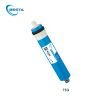 Membrana RO residencial
 Membrana UF
 Planta de tratamiento de agua
 Máquina residencial RO
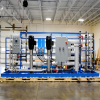 Sistema RO salobre
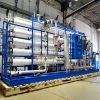 Sistema de agua de mar/planta SW ro
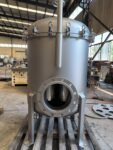 Filtro de bolsa
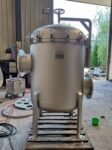 Filtro de cartucho
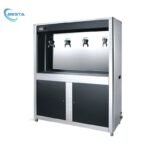 Sistema de filtración de agua comercial
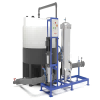 Sistema de limpieza de membrana(Titubear)
 Accesorios de consumo


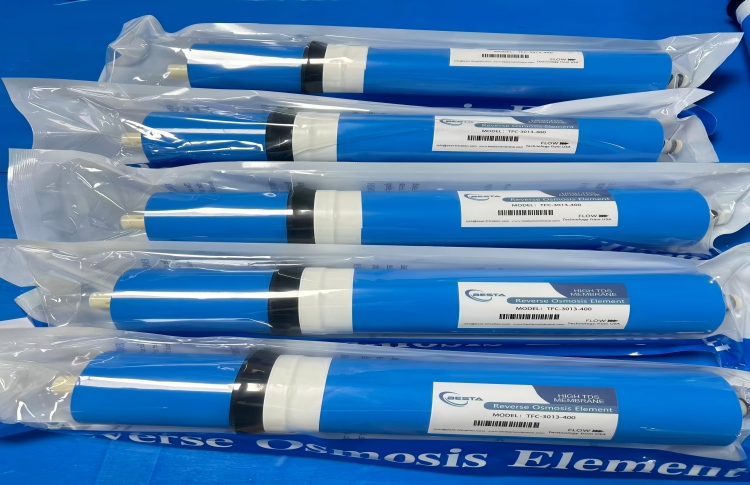
Clean drinking water is essential for every home. Many families install a ósmosis inversa (RO) sistema to improve water quality. Sin embargo, many users do not know when to replace the RO membrane. This small component plays a major role in water filtration.
So, how often should you replace a reverse osmosis membrane? The answer depends on water quality, usage, and system maintenance. Sin embargo, most household RO membranes last between 2 y 3 años.
En esta guía, we explain the replacement cycle. Además, we show the signs of membrane failure and the factors that affect its lifespan.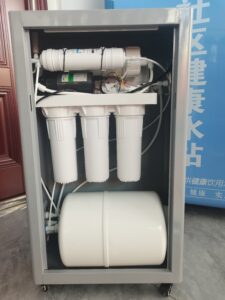
What Does a Reverse Osmosis Membrane Do?
A reverse osmosis membrane removes dissolved contaminants from water. It uses pressure to push water through a semi-permeable membrane. Sin embargo, impurities stay on the other side.
Most home RO membranes remove:
-
Dissolved salts
-
Heavy metals
-
Chlorine by-products
-
Bacteria and viruses
-
Organic contaminants
Sin embargo, the membrane slowly collects contaminants over time. Por lo tanto, its filtration efficiency decreases.
Average Lifespan of Household RO Membranes
Most manufacturers recommend replacing the membrane every 24–36 months. Sin embargo, this number can change depending on the water source.
Below is a typical lifespan reference for household RO systems.
| Calidad del agua | Typical Membrane Lifespan | Notas |
|---|---|---|
| Low TDS water (<300 PPM) | 3–4 years | Membrane works longer |
| Medium TDS water (300–600 ppm) | 2–3 years | Most common household condition |
| High TDS water (>600 PPM) | 1.5–2 years | Faster membrane fouling |
| Hard water areas | 1–2 years | Scaling may occur |
Sin embargo, this table only gives a general guideline. Actual lifespan depends on system maintenance.
Factors That Affect Membrane Replacement Time
Many conditions influence the life of an RO membrane. Sin embargo, some factors have a larger impact than others.
1. Calidad del agua
Water with high mineral content damages membranes faster. Por ejemplo, water with high calcium may cause scaling.
Sin embargo, pretreatment filters can reduce this risk.
2. Water Usage
Large families use more water. Por lo tanto, the membrane processes more water each day.
Sin embargo, light household use allows the membrane to last longer.
3. Prefilter Maintenance
Sediment and carbon filters protect the membrane. Sin embargo, many users forget to replace them.
If these filters clog, the membrane receives more contaminants.
4. Water Pressure
RO systems require stable pressure. Sin embargo, low pressure reduces efficiency.
Meanwhile, extremely high pressure may damage the membrane structure.
Signs Your RO Membrane Needs Replacement
A membrane rarely fails suddenly. Sin embargo, several warning signs appear before failure.
| Warning Sign | What It Means | Suggested Action |
|---|---|---|
| TDS level increases | Filtration efficiency drops | Check membrane |
| Water flow becomes slow | Membrane fouling may occur | Inspect system |
| Bad taste returns | Contaminants pass through | Replace membrane |
| System runs longer | Pressure or membrane issue | Test membrane |
Sin embargo, the easiest way to check performance is a TDS meter. If the filtered water TDS increases significantly, the membrane may need replacement.
How to Extend the Life of an RO Membrane
Although membranes wear out over time, good maintenance helps extend their life.
Here are several simple tips.
-
Replace sediment filters every 6–12 months
-
Replace carbon filters every 6–12 months
-
Keep stable water pressure
-
Flush the RO system regularly
-
Use softened water if hardness is high
Sin embargo, many households ignore these simple steps. Por lo tanto, membranes often fail earlier than expected.
Pensamientos finales
A reverse osmosis membrane is the heart of any RO system. Sin embargo, it does not last forever.
Most home users should replace their membrane every 2 a 3 años. Sin embargo, poor water quality may shorten this period.
Regular maintenance helps extend membrane life. Además, monitoring water quality helps detect problems early.
If your RO system produces less water or higher TDS levels, you should check the membrane. Por lo tanto, timely replacement ensures safe and clean drinking water for your family.
