
 info@best-filtration.com
 MBR Membrane
 Reverse Osmosis Membrane
 Residential Ro Membrane
 UF Membrane
 Water Treatment Plant
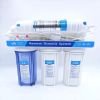 Residential Ro Machine
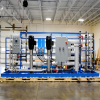 Brackish Ro System
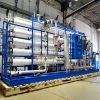 Sea water system/SW RO plant
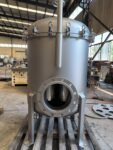 Bag Filter
 Cartridge Filter
 Commercial Water Filtration System
 Membrane Cleaning System(CIP)
 Consumables Accessories


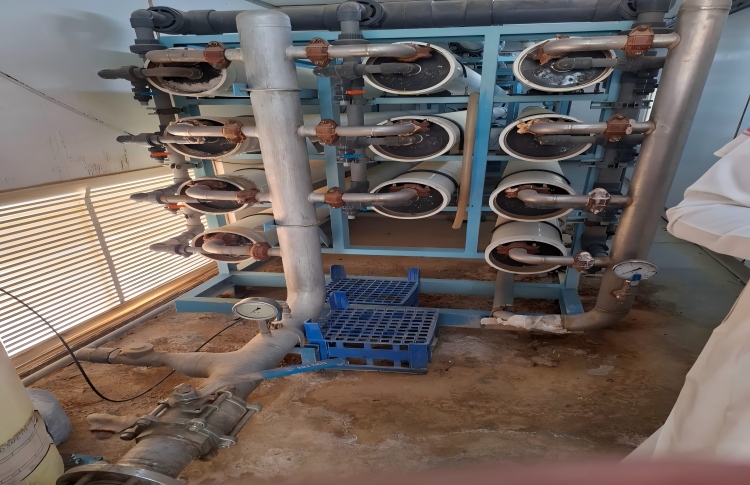
Clean water is critical in many industries. Reverse osmosis systems help produce this clean water. At the center of these systems sits the 8040 RO membrane. However, many operators ask the same question: How often should it be replaced?
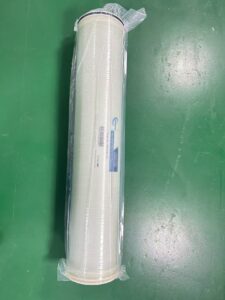
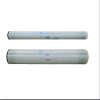
The 8040 reverse osmosis membrane element produced by Besta Company
This guide explains the typical lifespan of an 8040 membrane. It also shows the signs of membrane failure. In addition, you will learn how to extend membrane life.
What Is an 8040 RO Membrane?
An 8040 membrane is a common industrial RO membrane element. The size is 8 inches in diameter and 40 inches in length. Because of this size, it fits many industrial RO systems.
These membranes remove dissolved salts, organic matter, and many contaminants. As a result, they help produce high-quality water.
Industries use these membranes in many applications. For example, they appear in desalination plants, drinking water treatment, and industrial process water systems.
Typical Lifespan of an 8040 RO Membrane
Most 8040 RO membranes last three to five years. However, the actual lifespan can vary.
First, feed water quality plays a major role. Dirty water can damage membranes faster.
Second, pretreatment affects membrane performance. Good pretreatment protects the membrane.
Finally, system operation also matters. Proper pressure and cleaning help maintain performance.
Therefore, a well-maintained system can extend membrane life. On the other hand, poor operation can shorten it.
Signs That Your RO Membrane Needs Replacement
RO membranes do not fail suddenly in most cases. Instead, performance slowly declines. Because of this, operators should monitor several indicators.
1. Lower Water Production
First, check the water flow. If production drops, the membrane may have fouling or scaling. In some cases, cleaning solves the problem. However, severe fouling may require replacement.
2. Higher TDS in Product Water
Next, measure the TDS level of the permeate water. A healthy membrane rejects most salts. However, damaged membranes allow more salts to pass through. As a result, water quality declines.
3. Higher Operating Pressure
In many systems, pressure slowly increases. This often means fouling or scaling has formed on the membrane surface. Therefore, the pump must work harder.
4. Frequent Cleaning
Sometimes operators need to clean the system often. This also signals membrane problems. Eventually, cleaning becomes less effective. At that point, replacement becomes necessary.
Factors That Affect Membrane Life
Several factors influence how long an 8040 membrane will last.
Feed Water Quality
Poor feed water contains particles, bacteria, and organic matter. These substances foul the membrane surface. Therefore, pretreatment is essential.
Pretreatment System
A good pretreatment system protects the membrane. For example, sand filters and cartridge filters remove large particles. In addition, antiscalants prevent mineral scaling.
Cleaning and Maintenance
Regular cleaning improves performance. It removes fouling before it becomes severe. As a result, the membrane can operate longer.
System Operation
Operators must control pressure and flow carefully. Extreme pressure can damage membranes. Therefore, proper system design and operation are important.
How to Extend the Life of an 8040 RO Membrane
Fortunately, operators can extend membrane life with several simple steps.
First, install proper pretreatment equipment. This reduces fouling risks.
Second, monitor water quality regularly. Early detection helps prevent major damage.
Third, perform scheduled chemical cleaning. This removes fouling and scaling.
Finally, maintain stable operating conditions.
Because of these steps, many systems achieve longer membrane lifetimes.
When Should You Replace the Membrane?
Eventually, every membrane reaches the end of its service life. However, several indicators help determine the right time for replacement.
For example, water production may drop significantly. In addition, salt rejection may decline. Furthermore, operating pressure may increase continuously.
When these problems persist after cleaning, replacement becomes the best solution.
Conclusion
The typical lifespan of an 8040 RO membrane ranges from three to five years. However, the exact lifetime depends on water quality, pretreatment, and system operation.
Therefore, operators should monitor system performance closely. Regular maintenance also plays an important role. With proper care, membranes can operate efficiently for many years.
In the end, understanding these factors helps reduce operating costs and maintain stable water quality.
